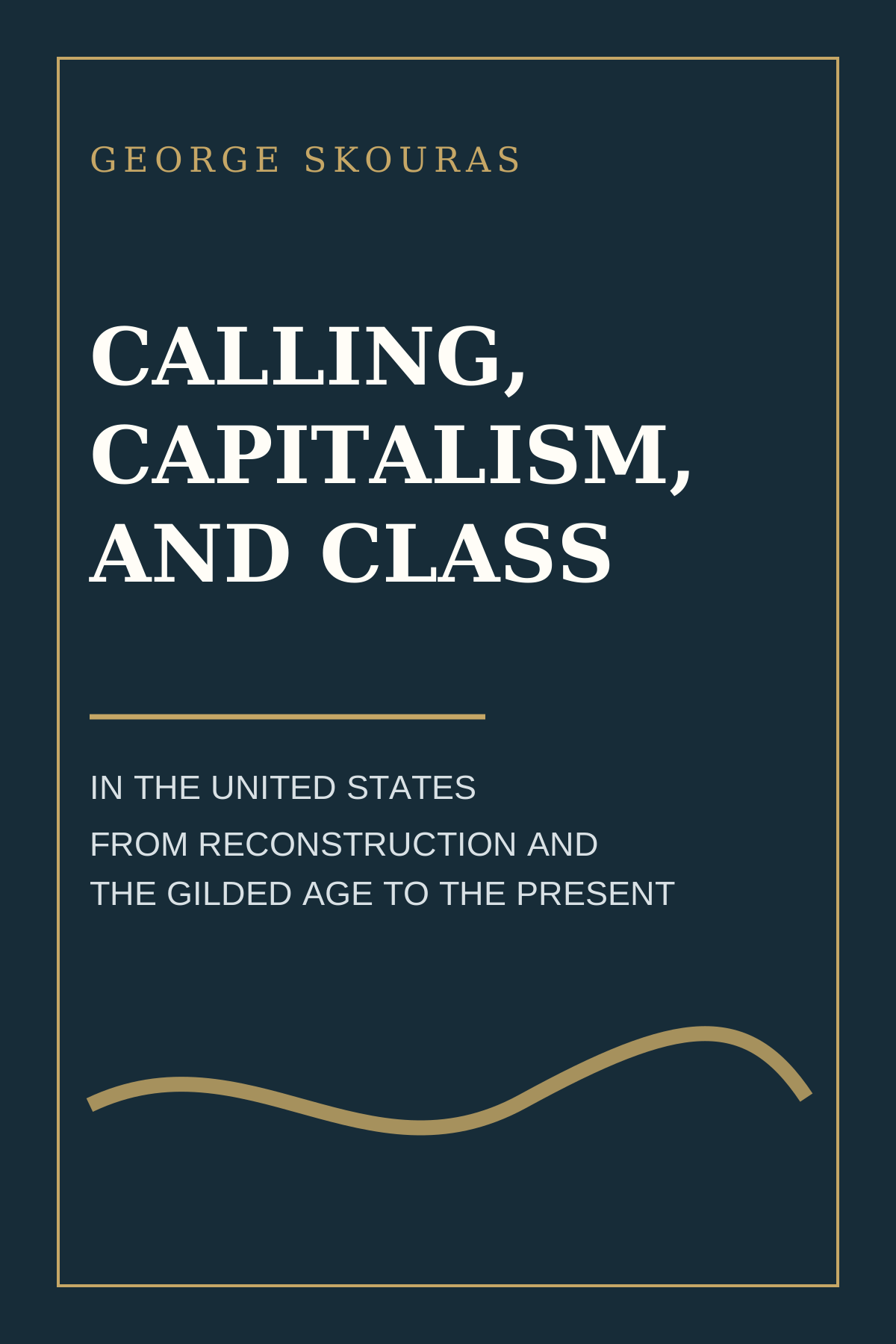
Provisional cover design
Calling, Capitalism, and Class in the United States examines how American capitalism repeatedly transformed rather than displaced the moral language of calling. Beginning with Reconstruction and the Gilded Age, it traces how disciplined labor, self-command, thrift, and achievement were detached from Calvinist theology and reembedded in corporations, schools, professions, credit systems, welfare institutions, and digitally mediated workplaces.
The book develops an institutional account of moralized inequality: institutions distribute unequal resources and opportunities, then classify unequal outcomes as individual merit, responsibility, or failure. It distinguishes property, organizational authority, expertise, income, wealth, employment security, debt exposure, and institutional dependence, while showing how race, gender, citizenship, education, occupation, and locality convert historically unequal resources into apparently individual achievement.
Central question
Can institutions that demand effort, commitment, and self-investment justify the unequal security, authority, wealth, and recognition that follow?
Publication status
The manuscript is complete and currently circulating for publisher consideration. No publisher or publication date has been announced. The complete manuscript is not publicly available.
© 2026 George Skouras. All rights reserved. Please contact the author regarding scholarly inquiries, excerpts, or review materials.